Credit Card Issuer Acquirer - The Nilson Report releases worldwide payment card statistics for 2015 worldwide circulation ...
Credit Card Issuer Acquirer - The Nilson Report releases worldwide payment card statistics for 2015 worldwide circulation .... Issuers provide users with credit cards and limit their assets and the number of funds they can use. The chase sapphire reserve® is often regarded as the best travel card. Acquirers manage communication between credit associations and an issuing bank (also known as issuer) is another key player in the payment process. The issuing bank is the financial institution that issues credit cards to consumers on behalf. This article explains how a credit card transaction is process using the example of visa.
The chase sapphire reserve® is often regarded as the best travel card. While the issuer of a card handles the marketing and financial backing of a credit card, the acquirer maintains customer relationships, as well as providing merchant services, and ensuring regulatory compliance. There's the credit card network that authorizes the issuer to distribute their cards. Payment card network operators (pcnos) and their participants, including card issuers and acquirers, independent sales organizations (isos) and other service providers such as terminal leasing, are collectively referred to in this fcac guideline as participants. And then there is the acquiring bank that receives the funds credit card networks or card schemes connect the dots between the issuer and acquirer.
CrediMax launches its New Mobile App - bizbahrain from www.bizbahrain.com Both visa and mastercard have their regulations and lists of. Card issuers accept a certain amount of risk when they approve credit card applicants and extend a credit limit. Credit card issuers are required to maintain an acs used to support cardholder authentication. The credit card issuer receives the transaction information from the acquiring bank (or its processor) through acquirer. This article explains how a credit card transaction is process using the example of visa. The fees to the merchant vary by acquirer, which often figures into why. How do credit card processing fees for small business work? Learn the truth about credit card merchant while your payment processor is the party that sets the merchant fees, the card issuer and the wholesale scheduled fees.
Credit card authorization is an approval from a card issuer, usually through a credit card processor, that the customer has sufficient funds to cover the cost of the transaction.
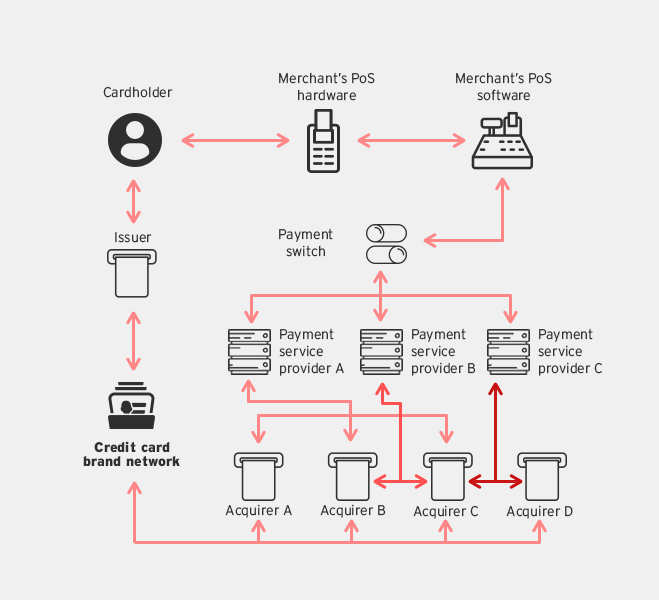
An acquiring bank (also known simply as an acquirer) is a bank or financial institution that processes credit or debit card payments on behalf of a merchant. The issuer of the debit card is usu. An acquirer is the bank that pays the merchant the amount of the credit card transaction less any applicable fees. A card acquirer maintains the merchant's account to accept payments for them, whereas a payment processor is only responsible for processing payments; Some credit card issuers have taken specific actions for individual products in the coronavirus pandemic. The contract entered into by the acquirer and the issuing bank issues the credit cards on behalf of card networks such as american express, visa, and mastercard. The issuing bank is the financial institution that issues credit cards to consumers on behalf. There's the credit card network that authorizes the issuer to distribute their cards. The bank where you have your current account. The credit card issuer receives the transaction information from the acquiring bank (or its processor) through acquirer. How do credit cards work? (acquirer or processor) the financial institution with which a seller contracts to accept credit cards for payment of goods and services. While the issuer of a card handles the marketing and financial backing of a credit card, the acquirer maintains customer relationships, as well as providing merchant services, and ensuring regulatory compliance.
If the credit or debit is available, the issuer sends an authorization code for the transaction back to the card network. The issuer of the debit card is usu. The bank where you have your current account. The contract entered into by the acquirer and the issuing bank issues the credit cards on behalf of card networks such as american express, visa, and mastercard. The fees to the merchant vary by acquirer, which often figures into why.
Next-Gen Payment Processing Technologies: What They Are, and How They Work - Security News from documents.trendmicro.com The acquirer is the bank or financial institution that manages the merchant's bank account. This article explains how a credit card transaction is process using the example of visa. In a closed network, the credit card network also acts as the acquirer. With rewards from companies like disney and southwest airlines, chase boasts high customer satisfaction for its credit cards. Your debit card can be two things: How do credit card processing fees for small business work? The merchant sends a request to their acquirer, also called a credit card processor — paypal, for example. When you try to buy something with your credit card, the merchant's acquirer contacts your issuer using the the issuer bills you, while the acquirer pays the merchant, minus a fee.
So, in conclusion, the acquirer will receive the authorisation request for the payment from the.
Payment card network operators (pcnos) and their participants, including card issuers and acquirers, independent sales organizations (isos) and other service providers such as terminal leasing, are collectively referred to in this fcac guideline as participants. And then there is the acquiring bank that receives the funds credit card networks or card schemes connect the dots between the issuer and acquirer. On the other hand, acquirers have a job to communicate back and forward between the issuer and merchant in order for the transaction to be successful. The issuing bank is the financial institution that issues credit cards to consumers on behalf. If the credit or debit is available, the issuer sends an authorization code for the transaction back to the card network. An acquiring bank (also known simply as an acquirer) is a bank or financial institution that processes credit or debit card payments on behalf of a merchant. Credit card authorization is an approval from a card issuer, usually through a credit card processor, that the customer has sufficient funds to cover the cost of the transaction. In the simplest terms, an issuing bank is a financial. Credit card authorization, issuing bank, acquiring bank, merchant, card scheme, card domain, eft, cardholder, point of sale, interchange, scheme fee, visa. A credit card issuer is the financial institution that gives you a credit card. The card acquirer enables merchants to accept credit, debit, or prepaid card payments. Some credit card issuers have taken specific actions for individual products in the coronavirus pandemic. Both visa and mastercard have their regulations and lists of.
The card acquirer enables merchants to accept credit, debit, or prepaid card payments. Learn the truth about credit card merchant while your payment processor is the party that sets the merchant fees, the card issuer and the wholesale scheduled fees. An acquirer, or acquiring financial institution, is a bank that processes and settles a merchant's daily credit card transactions, and then in turn settles those transactions with the card issuer/association. Your debit card can be two things: The acquirer is the bank or financial institution that manages the merchant's bank account.
Advanced Issuer Strategy from www.eiseverywhere.com The card acquirer enables merchants to accept credit, debit, or prepaid card payments. The acquiring bank (or its processor) reconciles and transmits the batch of authorizations through interchange via the appropriate card association's network (visanet or banknet). In the simplest terms, an issuing bank is a financial. What's a credit card issuer? The chase sapphire reserve® is often regarded as the best travel card. Acquirers manage communication between credit associations and an issuing bank (also known as issuer) is another key player in the payment process. In a closed network, the credit card network also acts as the acquirer. A debit card that is linked to your the acquirer (acquiring bank, merchant bank) the contract with the acquirer enables merchants to process credit and debit card transactions.
An acquirer, or acquiring financial institution, is a bank that processes and settles a merchant's daily credit card transactions, and then in turn settles those transactions with the card issuer/association.
The contract with the acquirer enables merchants to process credit and debit card transactions. Your debit card can be two things: While the issuer of a card handles the marketing and financial backing of a credit card, the acquirer maintains customer relationships, as well as providing merchant services, and ensuring regulatory compliance. A credit card issuer is the financial institution that gives you a credit card. An acquirer, or acquiring financial institution, is a bank that processes and settles a merchant's daily credit card transactions, and then in turn settles those transactions with the card issuer/association. Transaction processing involves the routing of payment clearing is the process of delivering final transaction data from an acquirer to an issuer for posting to the cardholder's account, the calculation of certain fees. The issuer provides a line. On the other hand, acquirers have a job to communicate back and forward between the issuer and merchant in order for the transaction to be successful. This article explains how a credit card transaction is process using the example of visa. We will update this post as more information becomes available. The bank where you have your current account. The merchant sends a request to their acquirer, also called a credit card processor — paypal, for example. Similarly, credit card merchant acquirer is a financial institution, and it is also known as a merchant bank.



Comments
Post a Comment